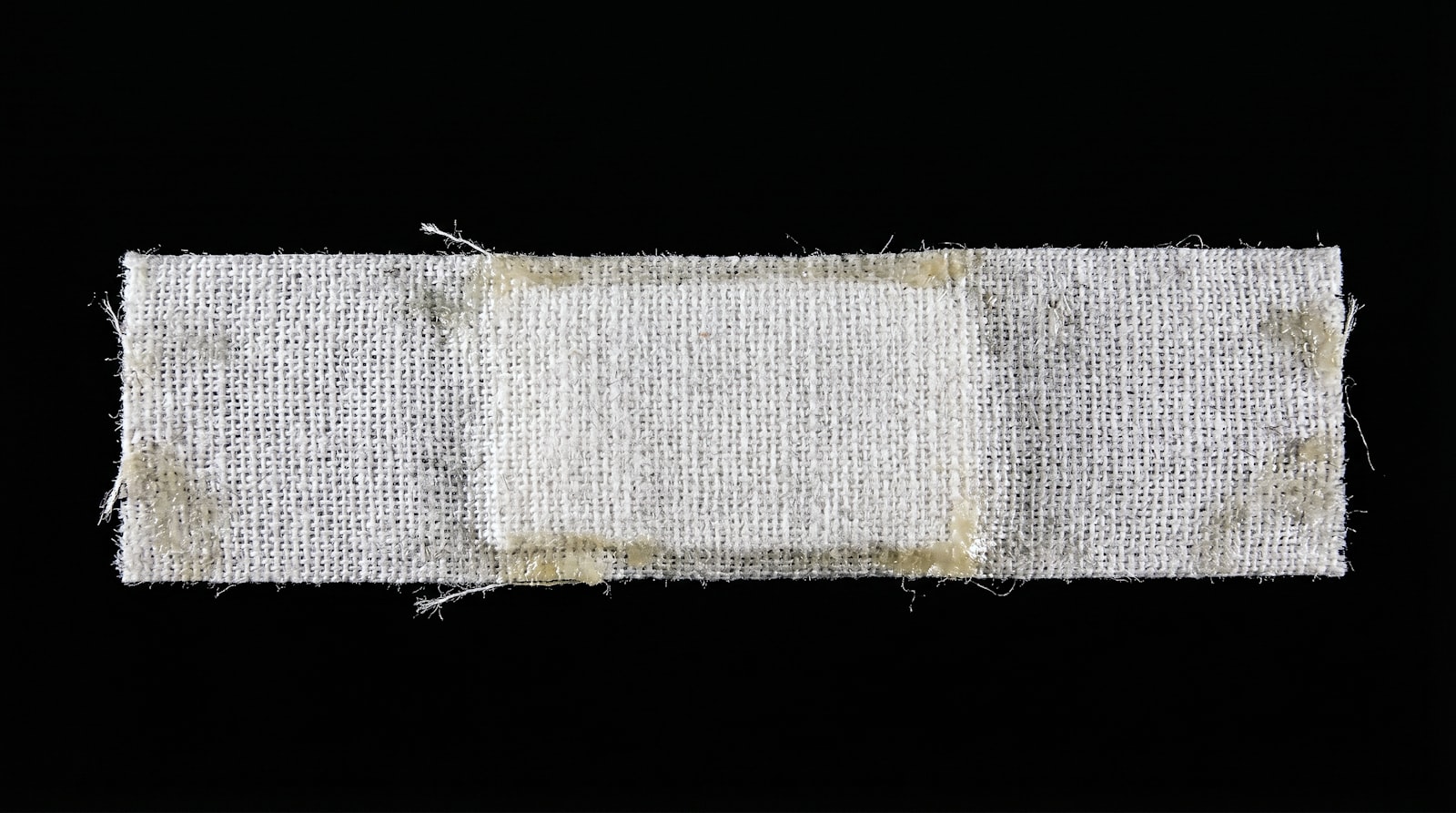
Transdermal vs oral estrogen: why I almost always choose the patch
When I write an estradiol prescription, my default is a patch or a gel — transdermal — and I have to be given a specific reason to reach for a pill instead. For most of my patients, this is quietly one of the most important decisions in the whole protocol.
Here’s why.
Pills go through your liver. Patches don’t.
When you swallow a tablet, it gets absorbed through your gut and routed directly through your liver before reaching the rest of your body. This is called first-pass metabolism. Your liver sees a much higher concentration of the drug than your other organs do — and in response, it revs up production of several clotting factors.
A patch, a gel, or a cream skips that detour. The estradiol goes into your bloodstream through your skin and distributes throughout your body without hammering the liver first.
The clotting math matters
Oral estrogen is associated with a roughly two- to three-fold increased risk of venous thromboembolism (blood clots). Transdermal estrogen, in every large observational study we have, shows no meaningful increase in clot risk relative to not taking anything at all.
For a healthy 45-year-old with no clot history, the absolute numbers for oral estrogen are still small. But for anyone with a family history of clots, obesity, migraines with aura, or a history of smoking — and even for women who’d just rather not think about it — transdermal is the obvious right answer.
What about everything else?
Symptom relief is essentially identical between oral and transdermal dosing at equivalent levels. Cost is similar on generic formulations. Insurance coverage varies (irrelevant for us — we’re cash-pay either way).
The main practical difference is preference: some women dislike the adhesive, some get skin irritation under the patch, some find applying a gel every morning annoying. For them, we have options — rotating application sites, switching to a gel pump, trying a cream. I have patients who rotate through three formulations over their first six months until we find the one they’ll actually stick with.
When I do prescribe oral estrogen
Rarely. Usually when there’s an adherence issue a patch can’t solve, or a specific skin condition, or a strong patient preference after we’ve walked through the tradeoffs. Never as the default.
If your current prescriber handed you a pill without a conversation about why, it’s worth asking: “Can we try transdermal instead?” The answer should be yes, almost always.